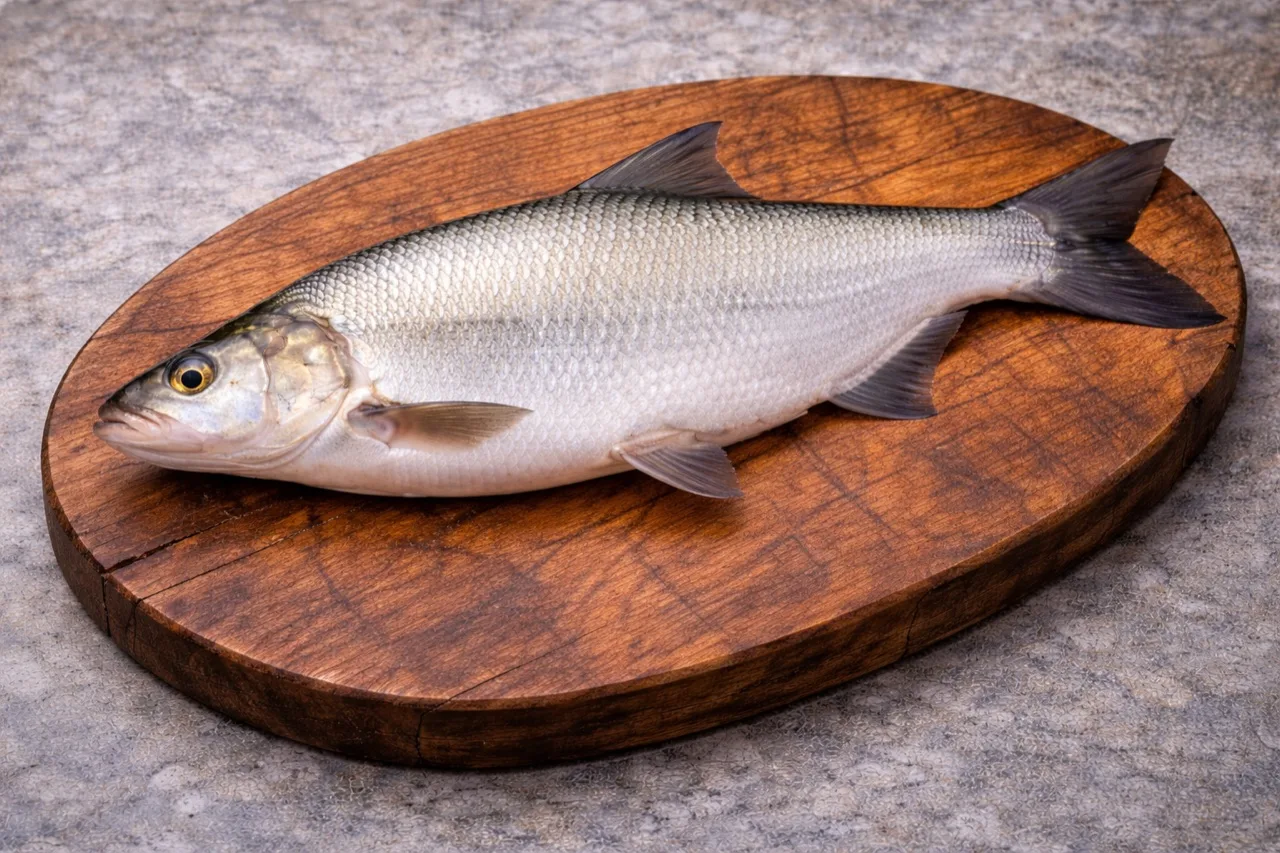
Asp
Aspius aspius
Products (2)
| Product | Package | Origin |
|---|---|---|
| Ungutted, chilled | — | Lithuania |
| Ungutted, frozen | ~10 kg | Lithuania |
About the asp
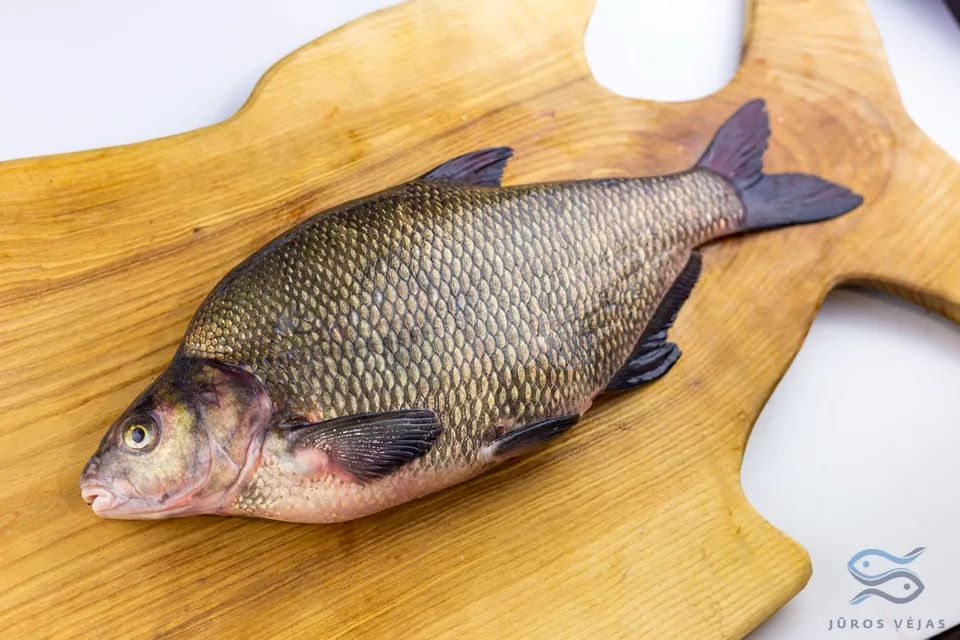
The asp (Aspius aspius) is a large freshwater fish of the carp family (Cyprinidae) and the only typically predatory member of the family in Lithuanian waters. The body is fusiform, elongated and laterally compressed; the back is bluish grey, the flanks silvery grey and the belly white. The head is large, the mouth wide and the lower jaw protrudes slightly forward. Adult asp grow to 80 cm in length and 4 kg, in rare cases up to 12 kg. The species is distributed in the basins of the Baltic, North, Black and Caspian Seas and keeps to fast-flowing stretches of rivers.
Nutritional value
Asp flesh is white, fairly lean and has a mild freshwater-fish flavour. It is rich in complete, easily absorbed protein, as well as B vitamins, phosphorus, potassium and trace elements. Like other predatory fish, asp has a relatively low fat content, which makes it suitable for a lighter diet.
Fishing seasonality
Asp are at their fattest and of the highest quality in late autumn, when the fish build up energy reserves before winter. In spring, ahead of spawning in April, asp gather in shoals. The size and weight of the catch vary with the age of the fish and the water body they inhabit; specimens 40–50 cm long are caught most often.
Culinary notes
Asp is suitable for frying, stewing, smoking and fish soup. Frying or smoking brings out its flavour well. Attention should be paid to the small bones typical of cyprinid fish: scoring or slow stewing neutralises them. Asp goes well with lemon, dill, onions and sour cream sauces.